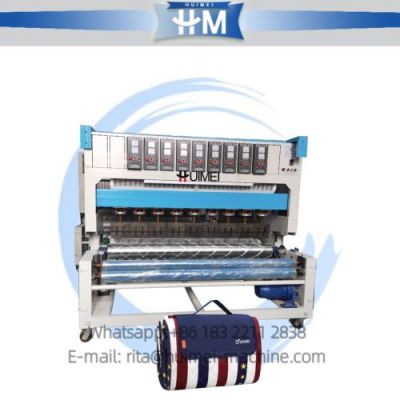
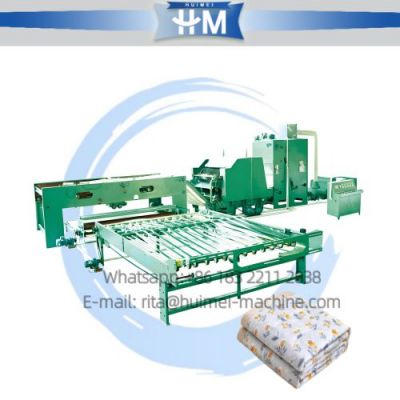
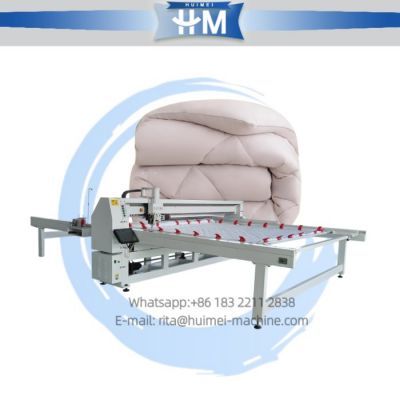
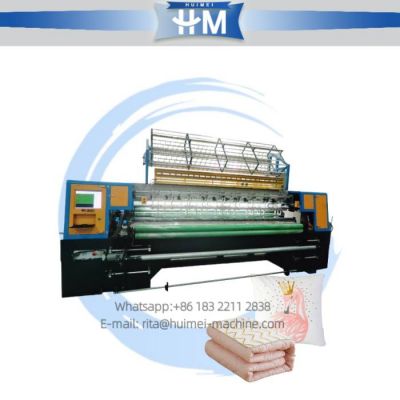
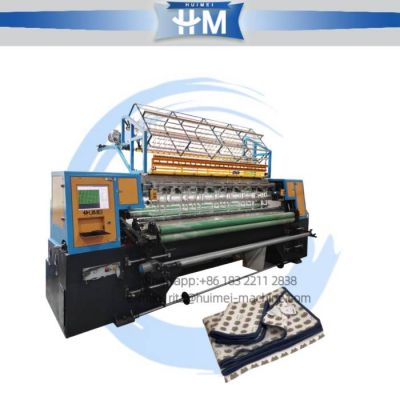
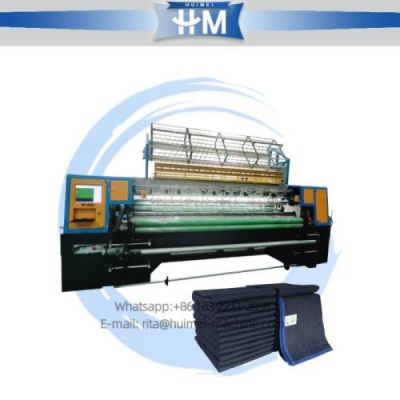
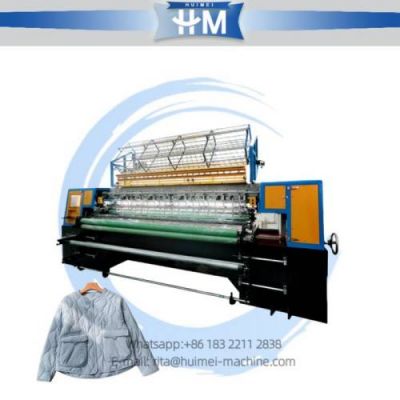
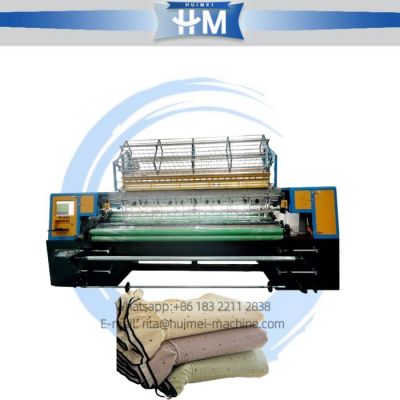
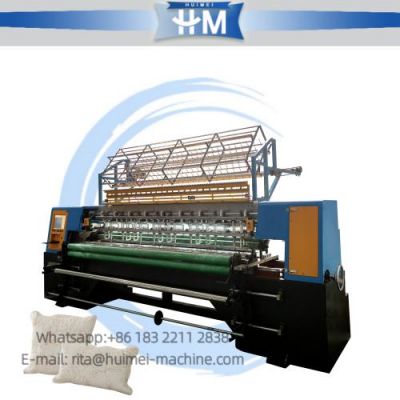
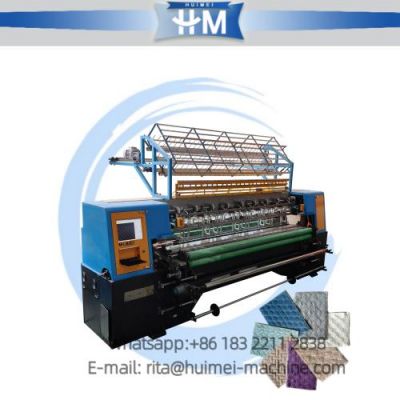
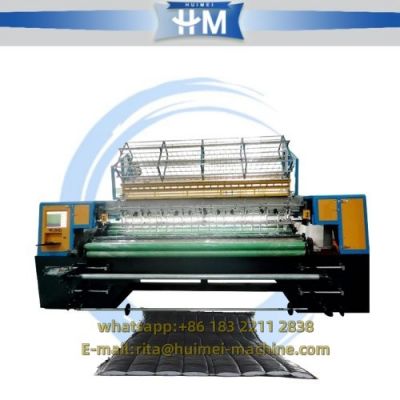
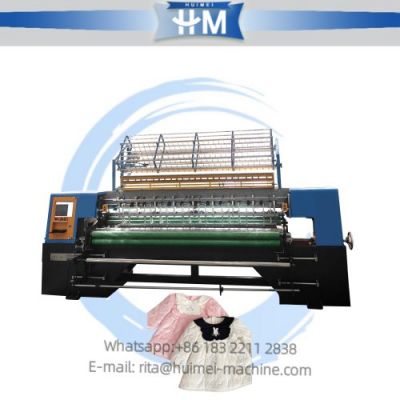
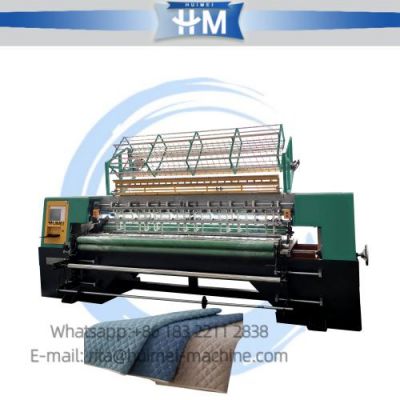
Computerized quilting machines represent an "efficiency revolution" in the textile industry—upgrading traditional hand sewing to fully automated digital production, specializing in the mass production of thick materials such as comforters, mattresses, and sofa covers. For factory owners in Shenzhen who prioritize both production capacity and quality control, the core selling point has evolved from "saving manpower and effort" to "precisely creating profits."
I. Dual Ceilings of Speed and Precision Computerized quilting machines, relying on computer technology and advanced machine manufacturing technology and components, excel in both quilting speed and precision: Single-needle quilting machines achieve quilting speeds ranging from 2000 to 35000 RPM depending on the configuration, controlling the stitch length between 2-7mm; multi-needle quilting machines utilize simultaneous movement of multiple needles, enabling each needle to achieve a maximum speed of 850 RPM; and ultrasonic quilting machines can achieve a production capacity of 300-1800m per hour, with faster speeds for thinner fabrics. These characteristics significantly improve production efficiency.
II. Combining Intelligent and Automated Technology: Easy to Operate and Labor-Saving
Both single-needle and multi-needle quilting machines can upload DST format patterns, storing a large number of patterns to facilitate product diversification. After selecting a pattern, simply follow the on-screen prompts to set parameters for automatic quilting. During quilting, if a thread breakage occurs, the machine automatically stops, allowing workers to easily troubleshoot the problem. The control panel displays and tracks the embroidery progress, facilitating production scheduling.
Ultrasonic quilting machines, by simply changing the pattern roller, can change patterns. One machine can support multiple pattern rollers, and when combined with automatic fabric feeders and automatic winding machines, the entire production line can be automated.
From equipment to production lines, computerized quilting machines have transformed traditional quilting workshops into intelligent factory nodes characterized by "less manpower, zero material waste, and fast delivery." For Shenzhen factories, it is no longer an option, but a core source of confidence for bidding on large orders and ensuring stable delivery.

 WhatsApp: +8618322112838